- January 27, 2026
Fencing is often the first thing property owners plan when improving security, privacy, or curb appeal, but simple mistakes can turn a smart project into a costly one. Poor planning, rushed decisions, and skipped steps often lead to repairs, replacements, or code issues later. The good news is that most fencing problems are easy to avoid with the right approach. This guide explains the most common fencing mistakes and how to prevent them before your project begins.
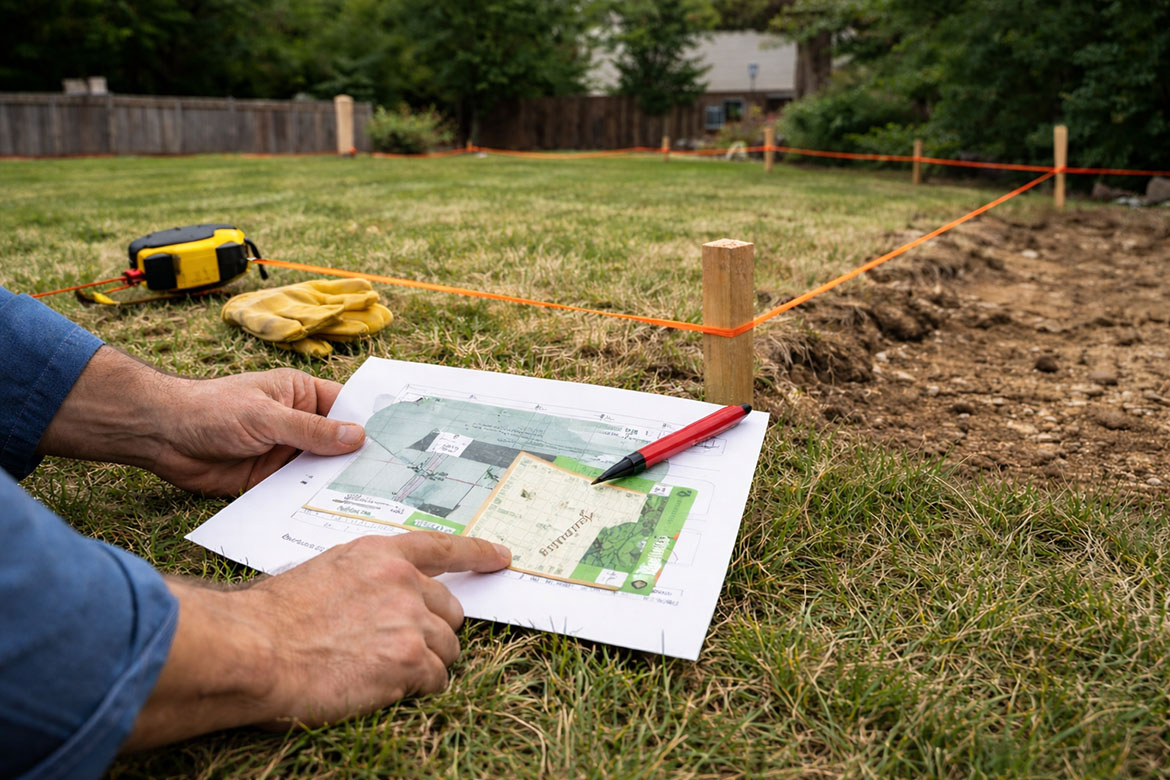
Fencing Mistake #1: Skipping Proper Planning
Many fencing projects fail because planning is rushed or ignored. Property owners may focus only on looks and forget about layout, purpose, and future needs.
Common planning issues include:
- Not confirming property lines
- Ignoring local fencing rules or permits
- Choosing the wrong fence height or style
- Forgetting gates, slopes, or drainage needs
Before starting any fencing project, review your property boundaries and local requirements. A small planning step can prevent disputes and fines later. Professional fencing services can help review these details early.
Fencing Mistake #2: Choosing the Wrong Fencing Materials
Not all fencing materials work well in every environment. Selecting materials based only on price or appearance often leads to early damage.
Common material mistakes:
- Wood fencing in high-moisture areas without treatment
- Low-grade vinyl that cracks under sun exposure
- Thin metal fencing that bends easily
- Mixing materials without proper support
Climate, soil type, and fence purpose should guide material choice. For example, privacy fencing needs stronger panels, while decorative fencing still needs solid posts. Reviewing options with a professional fencing provider helps avoid early replacement costs.
Fencing Mistake #3: Poor Fencing Installation Methods
Even the best fencing materials can fail if installation is rushed or incorrect. Many property owners underestimate how precise fencing installation needs to be.
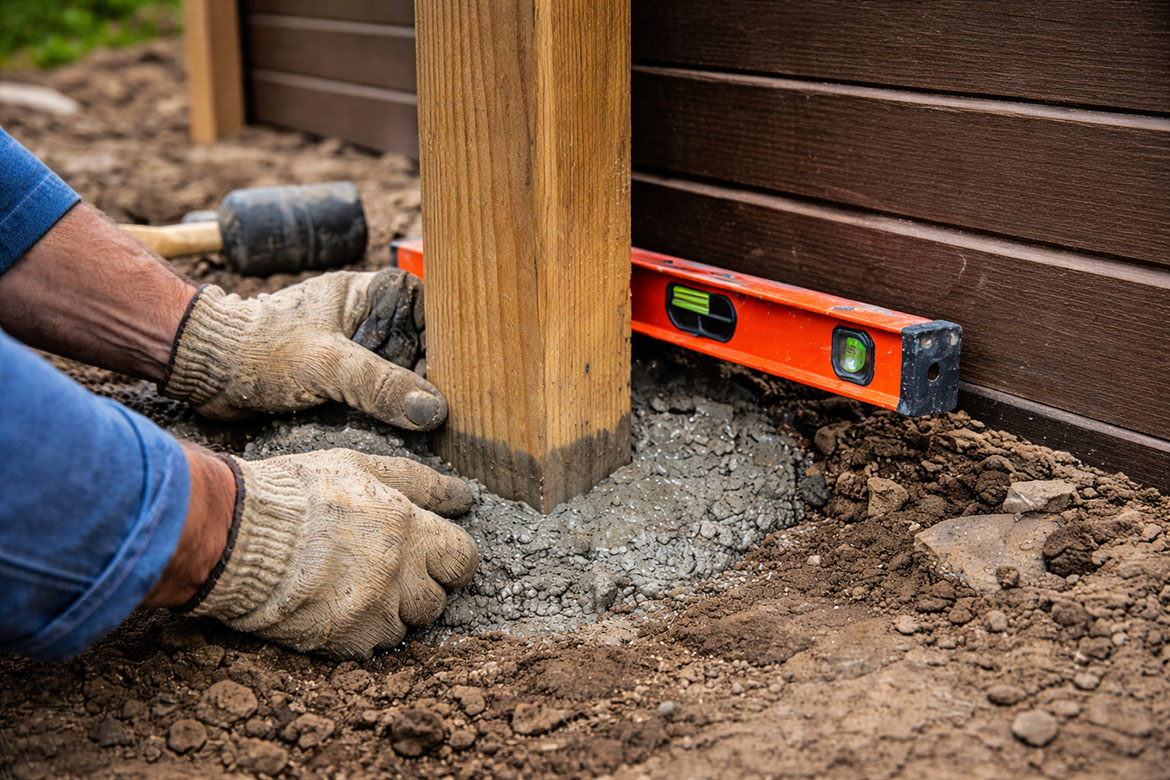
Fence Installation problems often include:
- Fence posts set too shallow
- Uneven spacing between posts
- Panels not level or aligned
- Weak concrete footings
These issues cause leaning, sagging, and early wear. Proper fencing installation takes time, accurate measurements, and the right tools. Professional installation reduces the risk of structural problems and improves fence lifespan.
Fencing Mistake #4: Ignoring Drainage and Ground Conditions
Ground conditions play a major role in fencing performance. Soil movement, standing water, and slope changes can weaken fences over time.
Problems caused by poor ground prep include:
- Fence posts shifting after rain
- Wood rot at the base of fencing
- Metal corrosion from trapped moisture
- Uneven fence lines on slopes
Good fencing installation includes checking soil type, adjusting post depth, and planning for water flow. This step helps prevent leaning fences and early structural damage.
Fencing Mistake #5: Forgetting Maintenance Needs
Some property owners assume fencing is maintenance-free. In reality, every fence type requires some care.
Overlooked maintenance tasks include:
- Sealing or staining wood fencing
- Cleaning vinyl fencing to prevent buildup
- Checking fasteners and hinges
- Treating rust on metal fencing
Skipping maintenance leads to faster wear and higher repair costs. Choosing the right fencing material and following a simple upkeep schedule helps protect your investment.
Fencing Mistake #6: Not Hiring Professional Fencing Help
DIY fencing may seem cost-effective, but mistakes often cost more in the long run. Uneven fences, code violations, and structural issues usually require professional fixes.
Benefits of professional fencing include:
- Correct measurements and layout
- Code-compliant installation
- Proper material selection
- Long-term durability
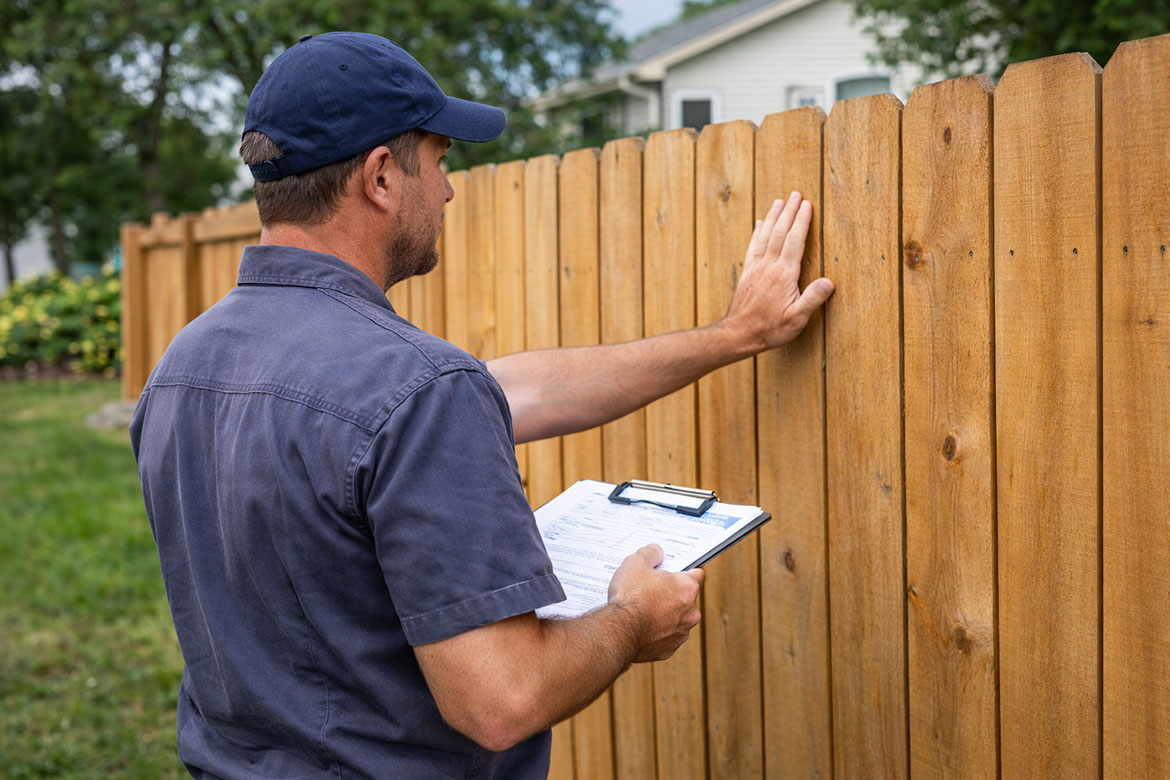
Working with a trusted fencing contractor reduces stress and protects property value. Many property owners find that professional installation saves time and money overall.
Frequently Asked Questions About Fencing Mistakes
What is the most common fencing mistake?
Skipping planning is the most common fencing mistake. Not checking property lines or local rules often leads to costly changes later.
How deep should fencing posts be set?
Fencing posts are usually set at least one-third of their height into the ground, with concrete for stability. Soil type may affect depth.
Does fencing always require a permit?
Some fencing projects require permits depending on height and location. Always check local guidelines before starting.
Can poor fencing installation lower property value?
Avoid Costly Fencing Mistakes Early
Fencing mistakes often start small but lead to big expenses over time. Poor planning, wrong materials, and weak installation are all avoidable with the right guidance. Taking time to plan your fencing project helps protect your property, budget, and peace of mind. Whether you need privacy, safety, or style, smart fencing decisions make a lasting difference.
Ready to Start Your Fencing Project?
Avoid costly errors and get your project done right the first time. At CW & SONS ENTERPRISES, LLC, we help property owners plan and install fencing the right way—so you avoid costly mistakes and get results that last. Visit our fencing systems page to learn more, explore helpful tips on our blog, or contact us today to schedule a consultation and discuss your fencing needs.
Yes. Uneven or damaged fencing can hurt curb appeal and raise concerns during property inspections.